November 14, 2025
Choosing the Right Gas Tank for Your Work Truck
When uptime and efficiency define your business, the right gas tank can make the difference between productivity and downtime.
Whether you’re managing a construction crew, an oilfield fleet, or agricultural operations, a reliable auxiliary fuel system keeps your trucks and equipment moving without unnecessary stops.
At American Truckboxes, we engineer commercial-grade auxiliary gas tanks and fuel transfer systems designed for industrial use combining safety, durability, and DOT compliance in one complete package.
Why Your Fleet Needs an Auxiliary Gas Tank or Fuel Tank
For commercial and industrial fleets, the built-in fuel tank on most trucks simply isn’t enough. Extended operations, long hauls, or off-grid sites demand additional capacity.
An auxiliary gas tank provides:
- Longer operating range between refueling stops.
- On-site fuel supply for equipment and support vehicles.
- Reduced downtime and higher productivity for field crews.
- Lower fuel costs through bulk purchasing and controlled usage.
Fleet managers gain more control over logistics — a vital advantage for remote or high-demand operations.
Types of Truck Gas Tanks
Not all gas tanks are created equal. The best system depends on how you use your truck and what you’re fueling.
| Tank Type | Best For | Key Features |
|---|---|---|
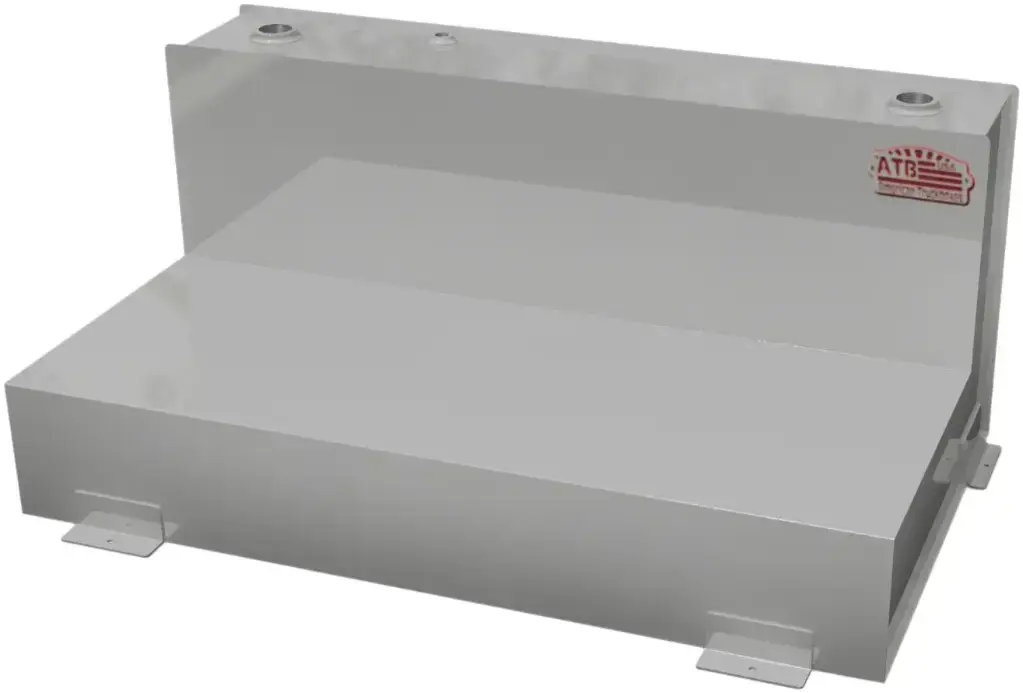
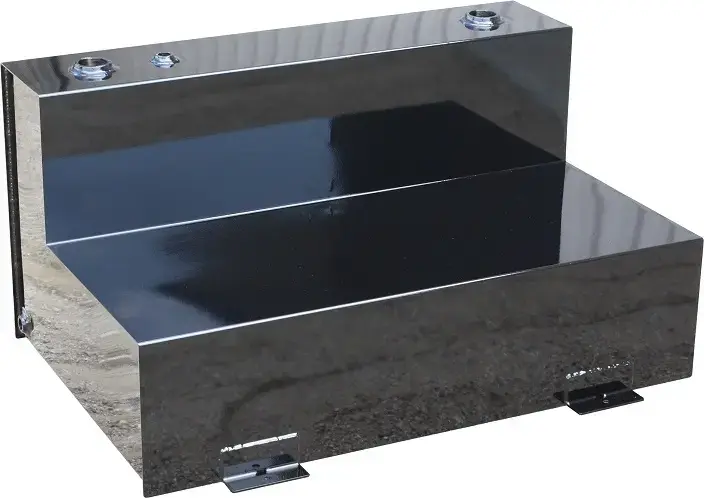
| Auxiliary Tanks | Long-haul or fleet trucks | Plumbed into the vehicle’s main fuel system for automatic transfer. |
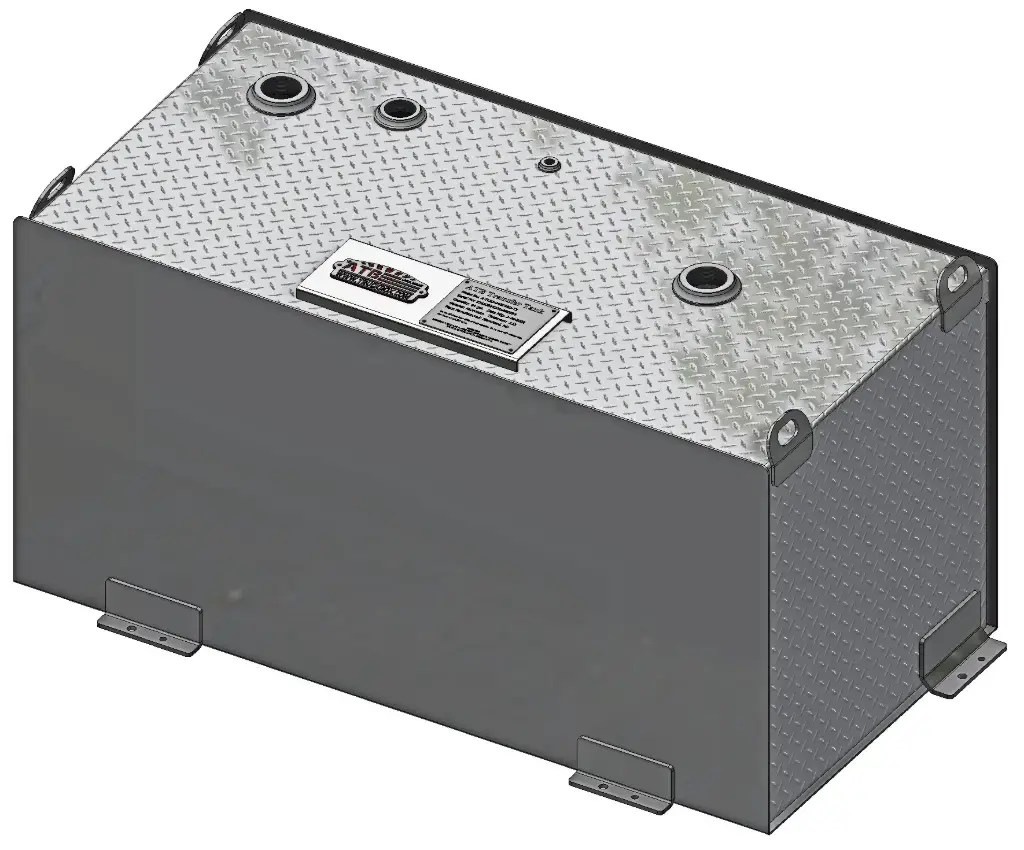
| Transfer Tanks | Construction, agriculture, and service fleets | Allow manual or pump transfer to machinery or vehicles. |
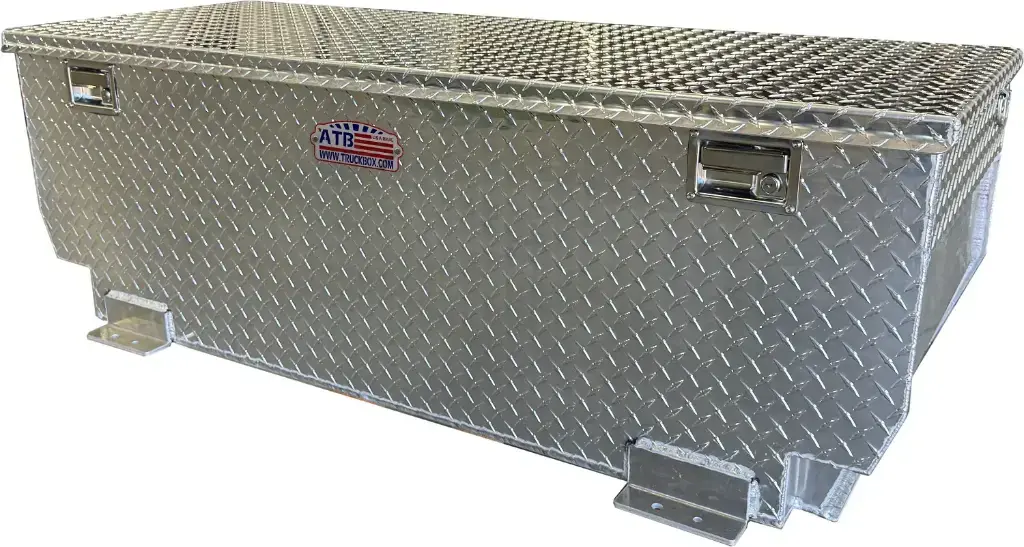
| Combination Tanks | Mixed-use operations | Split storage design for both fuel and tools in one unit. |
| Gravity-Fed Tanks | Remote or static worksites | No pump needed simple, efficient fuel flow. |
Each type can be customized with pump kits, filters, and gauges to meet your site and compliance requirements.
Material and Construction: What to Look For
Durability and compliance start with the right build.
At Truckbox.com, our auxiliary gas tanks are designed to withstand vibration, corrosion, and impact — key concerns in industrial settings.
Top considerations when choosing a tank:
- Material: Aluminum for lightweight efficiency, or steel for maximum durability.
- Finish: Powder-coated or polished to prevent oxidation and rust.
- Seams: Fully welded for leak prevention and long-term reliability.
- Mounting: Reinforced brackets to reduce frame stress.
- Capacity: Sized for your truck body and operating range (50–200 gallons typical).
Every American Truckboxes auxiliary gas tank meets or exceeds DOT and EPA fuel transport regulations, ensuring compliance across fleet operations.
Installation and Safety Considerations
Proper installation is critical to both performance and legal compliance.
Before mounting your tank, always confirm:
- The system is DOT-certified for your intended fuel type.
- Mounting points align with manufacturer torque specs.
- All fittings and hoses are rated for gasoline or diesel transfer.
- Vent caps and rollover valves are installed correctly.
- Grounding and bonding are used to prevent static discharge.
Fleet technicians should inspect tanks quarterly for leaks, loose mounts, or corrosion, and document compliance checks during service intervals.
Integrating Gas Tanks into a Fleet Setup
Your gas tank system should complement your truck’s overall storage and utility setup.
For maximum efficiency:
- Pair transfer tanks with underbody tool boxes for pump and hose storage.
- Use top mount boxes to secure small engine tools or fuel additives.
- Consider combination units that integrate tool storage with dual-compartment fuel systems.
By combining fuel capacity and tool storage, fleets can streamline operations, reduce equipment clutter, and maintain safer work environments.
Compliance and DOT Regulations
DOT-compliant gas tanks are mandatory for transporting fuel on public roads. Non-compliant units risk fines, insurance issues, and safety violations.
Key DOT considerations:
- Tank labeling: Must clearly display capacity, fuel type, and manufacturer certification.
- Securement: Tanks must resist movement under heavy braking or impact.
- Ventilation: Required to prevent vapor buildup and overpressure.
- Pump protection: Electrical components must meet spark-resistance standards.
American Truckboxes ensures every auxiliary fuel tank design aligns with CFR Title 49 requirements for fuel storage and transportation.
Maintenance Tips for Long-Term Reliability
- Inspect mounting brackets and hardware monthly.
- Drain condensation regularly to prevent water contamination.
- Clean filter screens and fuel lines per manufacturer recommendations.
- Lubricate seals and caps to prevent cracking.
- Avoid mixing fuels or additives in the same tank.
A well-maintained truck gas tank can last more than a decade, saving fleets thousands in replacements and downtime.
The right gas tank does more than add capacity — it adds confidence, efficiency, and compliance to your operation.
Whether you need a transfer tank for equipment fueling or an auxiliary system for long hauls, American Truckboxes provides durable, DOT-approved fuel solutions that keep your fleet moving safely and efficiently.
Explore our full line of auxiliary gas tanks for work trucks at Truckbox.com — built tough for the real world of industrial performance.